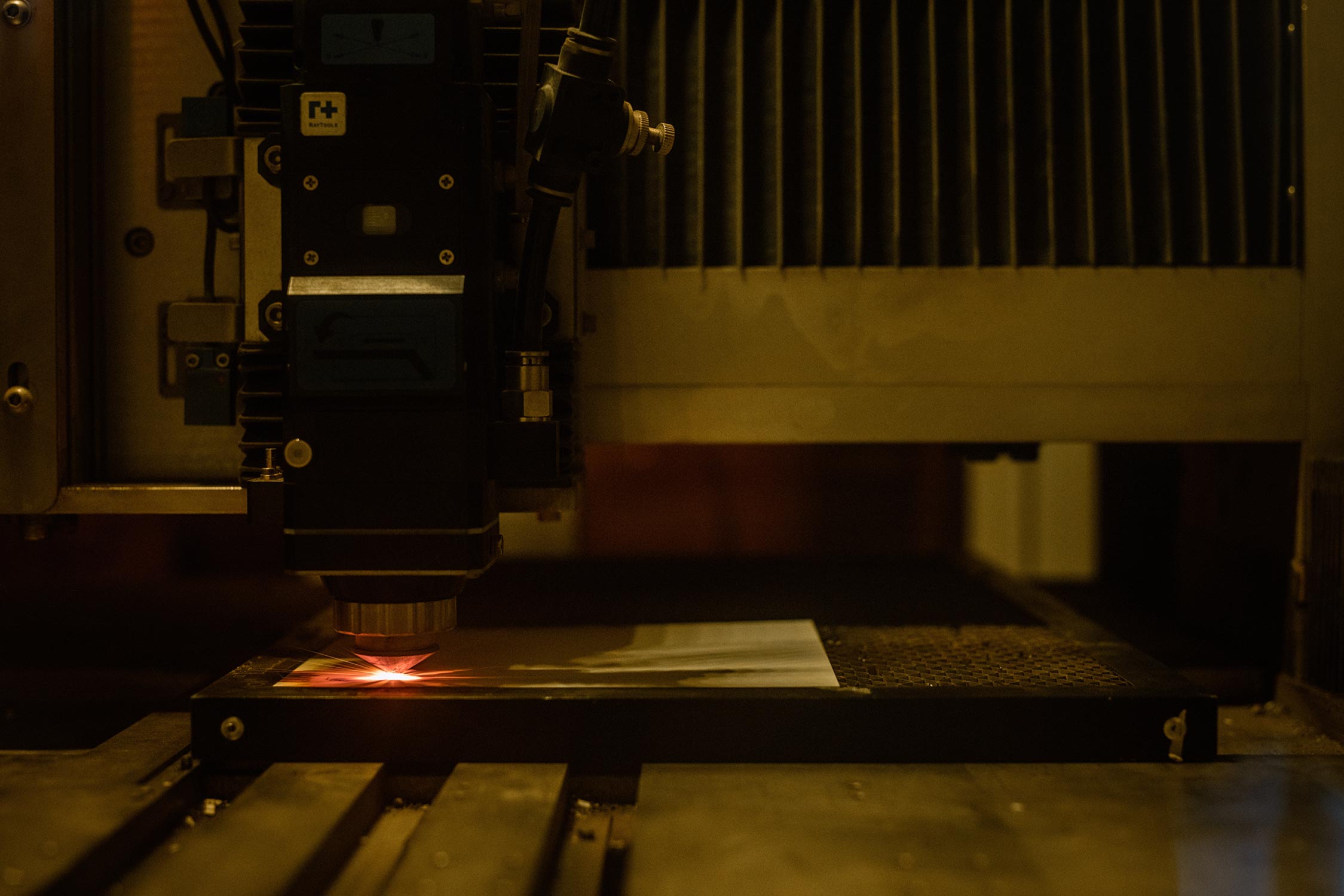
¿Por qué el corte por láser de cerámica de alúmina resulta eficaz para las piezas resistentes al calor?
An investigation into the processes involved in the laser cutting of bespoke high temperature ceramic components.


An investigation into the processes involved in the laser cutting of bespoke high temperature ceramic components.
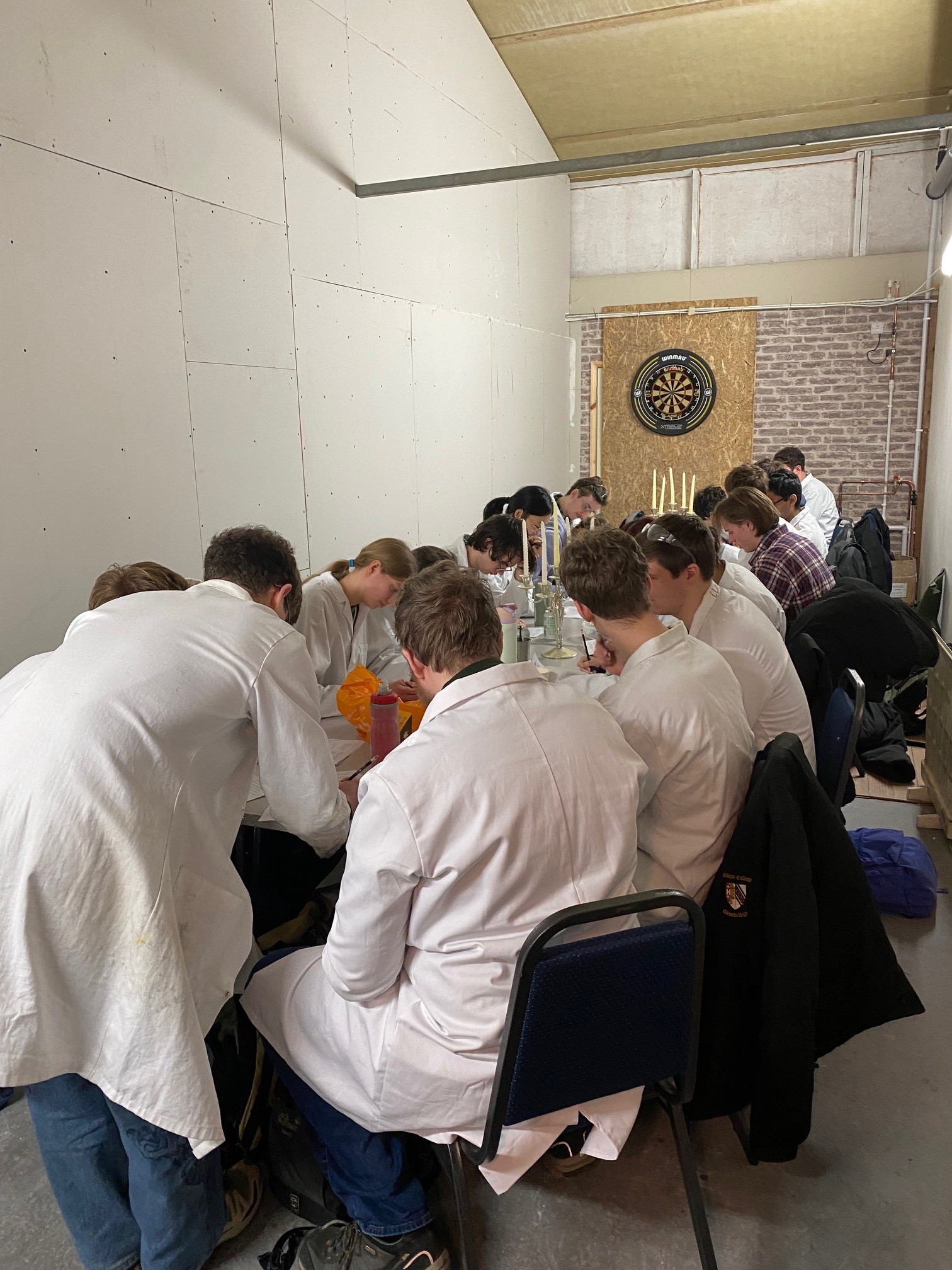

Last week we had the pleasure of welcoming 40 third-year Materials Science students from the University of Cambridge to Almath for an industrial visit — and incredibly, this marks the 10th year we’ve been running this one-day event.
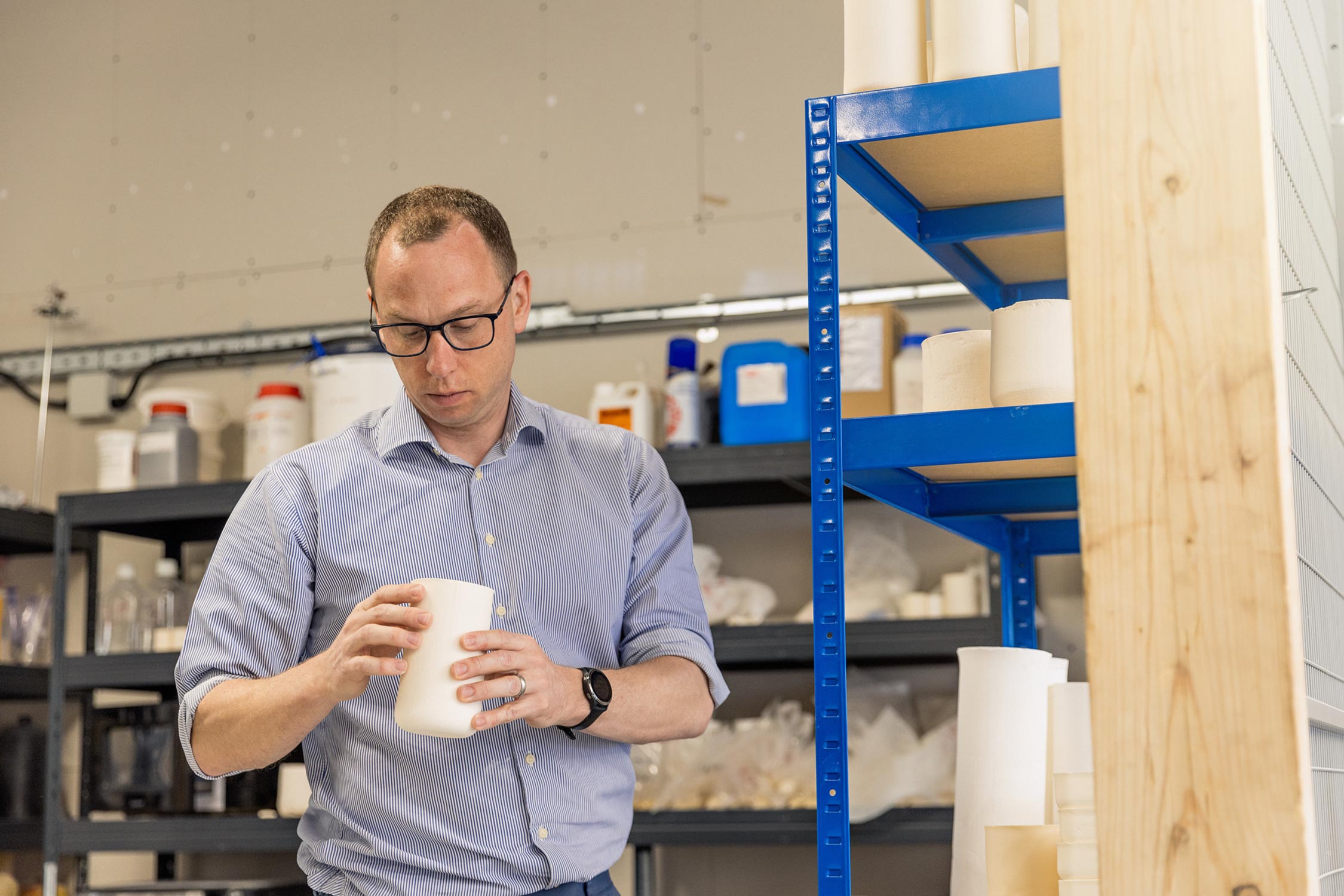

Elegir el recipiente adecuado para el tratamiento térmico a alta temperatura es algo más que simplemente encontrar un recipiente que quepa en el horno. Implica comprender cómo interactúan los diferentes materiales en condiciones extremas para garantizar que tu investigación sea precisa y esté libre de contaminación. En muchos laboratorios, la elección suele reducirse a dos materiales principales: la alúmina y la circonia. Aunque ambos […]
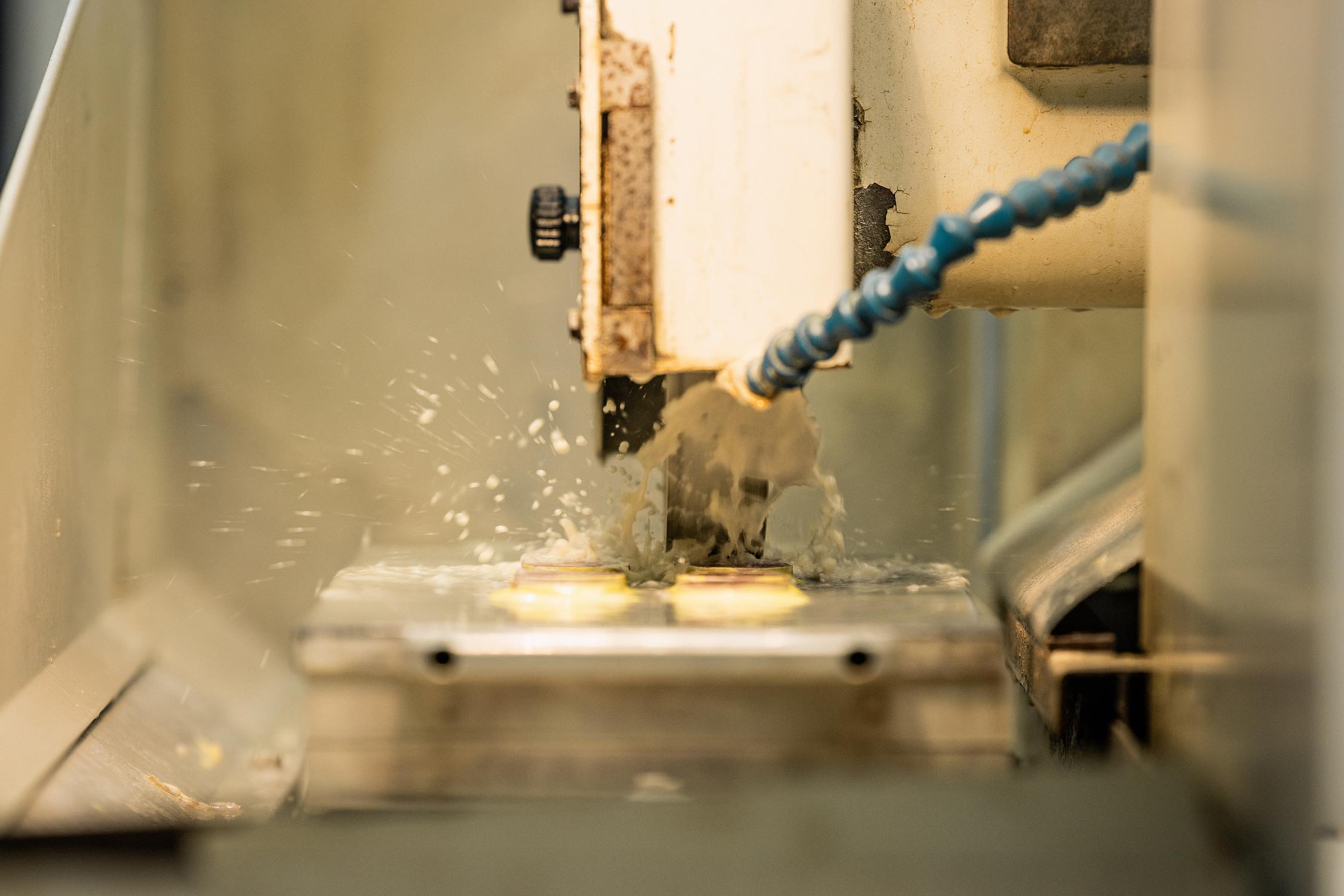
1. Receive the customer drawing and capture the real requirements Everything starts when a customer sends a drawing or specification and asks, “Can you make this?” Our first job is to make sure we understand what they actually need — not just what’s written on the drawing.

Written by Dr Tim Clipsham
Hydroxyapatite in an important bioceramic used for orthopedic and dental implants. Its structure and chemistry are similar to the natural materials in human bone which encourages bonding between the body and the implant. The wet chemical precipitation method is the most common manufacturing method for hydroxyapatite, and a key stage in this process is calcination.

Copyright © 2026. Almath Crucibles Ltd. (constituida en 1996). Todos los derechos reservados.
 English (UK) English (UK)
  Français
 Deutsch
 Español
 Italiano
 Polski