MgO Vs Zirconia Vs Alumina: Which Crucible Material Is Right For Your Process?
One of the most common questions we receive is which ceramic crucible material is best for a particular process. While alumina is often the preferred all-round option, applications involving aggressive chemicals, extreme temperatures, or specific heating methods may require zirconia or magnesium oxide instead. Choosing the right material depends on several factors, including operating temperature, […]
Índice
One of the most common questions we receive is which ceramic crucible material is best for a particular process. While alumina is often the preferred all-round option, applications involving aggressive chemicals, extreme temperatures, or specific heating methods may require zirconia or magnesium oxide instead. Choosing the right material depends on several factors, including operating temperature, chemical compatibility, heating method, and the material contained in the crucible. Selecting the wrong crucible can reduce service life, contaminate the contents, and increase operating costs.
Choosing the wrong crucible material can have a significant impact on process performance, contamination levels, and crucible life. When an incompatible material is heated alongside an aggressive melt, powder, or molten salt, it can trigger highly destructive chemical reactions.
These reactions often lead to structural erosion, causing the vessel to crack or leak during a production run. Even minor material degradation can introduce unwanted contamination into high-purity alloys or glass batches, ruining the final product. Understanding the exact strengths of modern ceramic crucibles ensures you maintain process purity and maximise equipment longevity.
Alumina: The Reliable All-Round Option
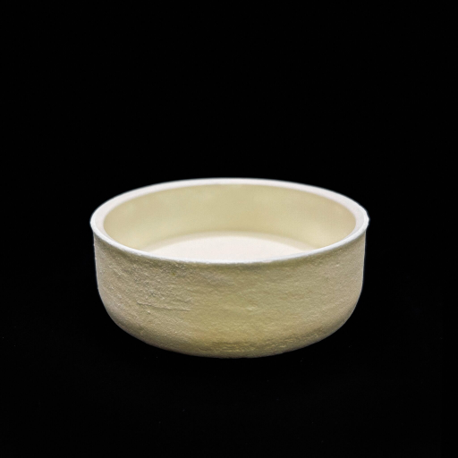
For the vast majority of general laboratory testing and high-temperature industrial processes, an alumina ceramic crucible serves as the default choice. This material balances mechanical strength with affordability, making it highly valuable across multi-user research facilities. It offers:
Excellent Thermal Thresholds: High-purity alumina safely tolerates continuous operating temperatures up to 1600°C.
Strong Structural Rigidity: The material maintains superb mechanical properties and resists deformation under heavy loads at elevated temperatures.
General Passivity: Almath manufactures high-purity alumina vessels that offer reliable resistance to a wide variety of neutral chemicals and standard metal melts.
Because of these properties, an alumina ceramic crucible represents the best all-round option for broad thermal testing. However, despite its versatility, it is an amphoteric oxide that can struggle when exposed to highly reactive acidic or strongly alkaline substances.
Zirconia: For Acidic And Corrosive Environments
Where higher temperatures or more chemically aggressive environments are involved, we will often recommend zirconia instead of alumina. Zirconia ceramic material offers excellent chemical resistance and can operate at temperatures approaching 2200°C, depending on the stabilisation system used. This makes it particularly well suited to acidic slags, reactive molten glass, precious metals, and other demanding high-temperature applications.
Beyond its temperature capability, zirconia ceramic material performs exceptionally well where chemical resistance is critical. Its highly stable chemical profile helps minimise contamination and makes it an excellent choice for processes involving aggressive or reactive materials.
Certain grades of zirconia are also suitable for specialist induction heating applications, making them a valuable option where both high temperatures and chemical resistance are required. Selecting the appropriate stabilised zirconia grade ensures the crucible is matched to the thermal, chemical, and mechanical demands of the application.
MgO: Optimised For Basic Chemistry
When customers are processing alkali metals, basic slags, rare earth materials, or lithium-containing compounds, we will often recommend a magnesium oxide crucible. Magnesium oxide offers excellent resistance to highly basic environments where alumina and some other ceramics may gradually degrade.
Due to its strong magnesium-oxygen bond, a magnesium oxide crucible offers unmatched stability when in direct contact with highly alkaline charges. It is commonly utilised for synthesising advanced battery materials containing lithium, alongside molten salts and rare earth elements key to green energy applications. Under these specific conditions, an MgO crucible will resist chemical attack where other ceramic crucible materials may chemically degrade. It is crucial to remember that while an MgO crucible thrives in alkaline settings, it exhibits very poor resistance to acidic chemicals.
Selecting Your Optimal Crucible Material
At Almath, we typically begin by asking four key questions:
What operating temperature will the crucible reach?
What material is being melted?
How quickly will the crucible be heated?
Is chemical compatibility or contamination a concern?
The answers usually determine whether alumina, zirconia, or MgO provides the best balance of temperature capability, chemical resistance, thermal shock performance, and service life.
Crucible Material
Ideal Environment
Maximum Temperature
Key Limitation
Alumina
General purpose, neutral melts
1700°C
Susceptible to strong alkalis
Zirconia
Acidic slags, induction melting
2200°C
High cost, thermal shock sensitive
MgO
Alkali metals, lithium compounds
2400°C
Highly vulnerable to acids
Before finalising a component design, engineers must clarify if the furnace atmosphere is oxidising, reducing, or under a vacuum. This factor influences how oxide ceramics interact with the molten contents. By matching the chemical profile of your melt to the correct structural substrate, you secure predictable cycles and pure outputs.
Talk To Almath Crucibles About Your Requirements
Every high-temperature process has different operating conditions and material requirements. Our technical team works closely with customers to recommend the most appropriate crucible material based on temperature, chemical compatibility, heating method, and application. Whether you require alumina, zirconia, or MgO, we can help you identify the best solution for your process.



 English (UK)
  Français
  Deutsch
  Español
  Italiano
  Polski